Our world is full of amazing things. When we talk about languages, most people think about English, Spanish or Mandarin. But there are thousands of languages out there, and some of them are truly mind-blowing. As a team that works with translation every day at Translate.js, we see a lot of linguistic varieties. However, even our automated website translation tool can’t handle some of these unique communication methods.
Let’s explore some of the most unusual languages in the world, with reliable information backed by linguistics.
Silbo gomero: The whistling language
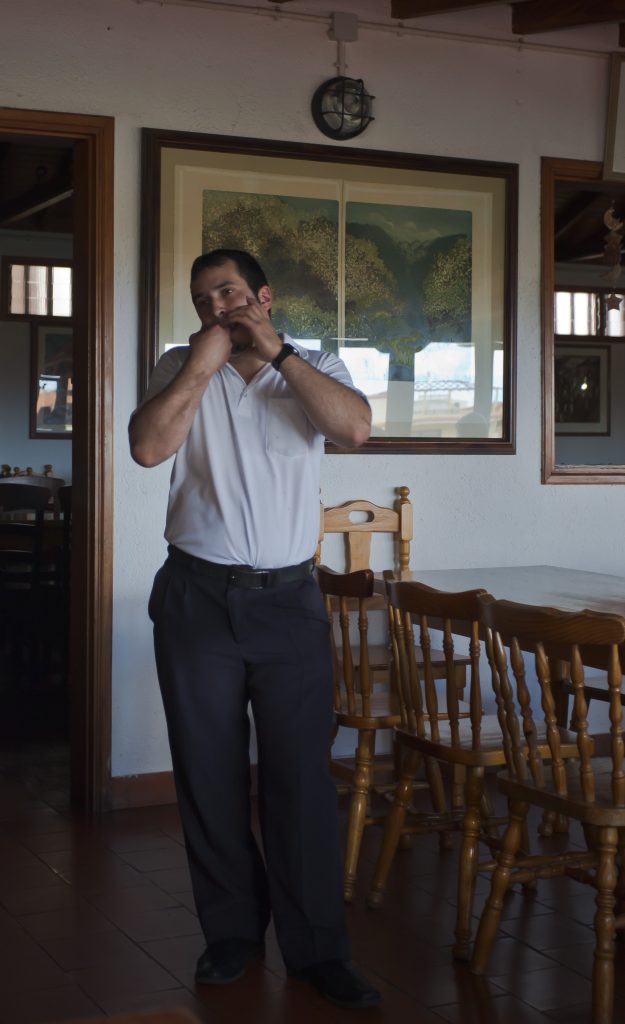
Imagine living in an area with deep valleys and steep mountains where shouting is not enough. The people of La Gomera in the Canary islands solved this problem by creating Silbo gomero. It is not exactly a separate language with its own grammar, but rather a whistled register of Spanish.
By varying the pitch and length of their whistles, speakers can communicate complex messages over distances of up to 5 kilometers. It is so effective that it was used for public announcements and even warning of pirate attacks. Today, it is taught in schools to preserve this unique cultural heritage.
Pirahã: A completely different way of thinking
Deep in the Amazon rainforest of Brazil lives the Pirahã tribe. Their language is one of the most debated topics in modern linguistics. It has an incredibly small number of sounds – just eight consonants and three vowels for men, and even fewer for women.
But what makes it truly unusual is what it lacks. Reliable linguistic research indicates that Pirahã has no words for colors, only descriptors like “light” and “dark”. They also don’t have numbers or words for exact quantities, relying instead on concepts like “few” or “many”. It challenges our understanding of how language shapes human thought.
Xóõ (Taa): The clicking champion
If Pirahã has very few sounds, Xóõ is on the complete opposite end of the scale. Spoken in parts of Botswana and Namibia, it is widely considered to have one of the largest sound inventories of any language on Earth.
While English uses around 44 sounds, Xóõ has over 100 phonemes. What makes it famous are its click consonants. These clicks are not just expressive sounds, but actual letters that change the meaning of a word. Learning to pronounce them properly is extremely difficult for non-native speakers.
Basque: The european orphan
Most languages in Europe belong to the Indo-European family, meaning they share a common ancestor. For example, English, Russian, and Hindi are related. But Basque (Euskara), spoken in the Basque country between Spain and France, is a language isolate.
It has no known relatives anywhere in the world. Its structure, grammar and vocabulary are completely different from anything around it. Linguists believe it is a surviving language from before the spread of agriculture and the Indo-European languages in Europe.
Nüshu: The secret script of women
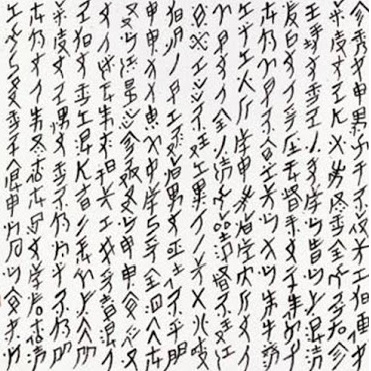
While most languages are spoken by both men and women, Nüshu represents a unique phenomenon in linguistics. Used exclusively by women in Jiangyong County, Hunan province, China, it is the only known writing system in the world created and used entirely by women.
Historically, women in this region were denied formal education. To communicate, express their feelings, and bond with their peers, they developed Nüshu. It is a phonetic script where its elongated, almost thread-like characters represent syllables of the local dialect. The text was often embroidered into clothing, handkerchiefs, or painted on fans, serving as a secret social code.
Inuktitut syllabics: A modern adaptation
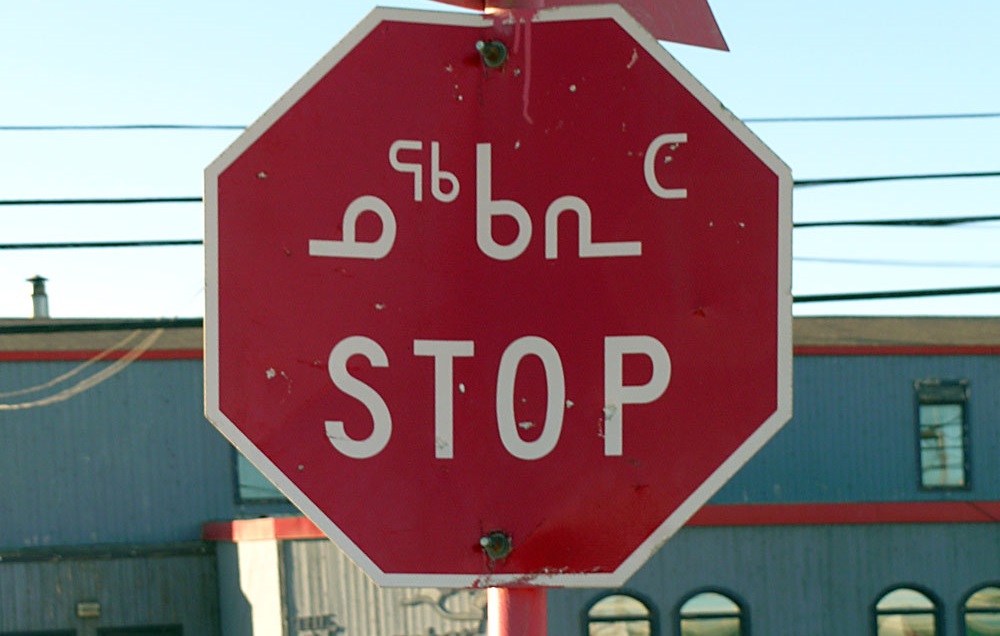
Language is always evolving, and the way it is written can be just as fascinating as the way it sounds. Inuktitut, spoken by the Inuit people in Canada, traditionally existed only as an oral language. However, in the 19th century, missionaries introduced a syllabic writing system that completely revolutionized Inuit communication.
Unlike the alphabet where each letter usually represents a single sound, Inuktitut syllabics use shapes to represent consonants, and the orientation of the shape (pointing up, down, left, or right) determines the vowel sound. It is a brilliant and highly logical system that has become a proud symbol of the Inuit cultural identity. You can even see it on traffic signs in northern Canada.
Rongorongo: The undeciphered mystery
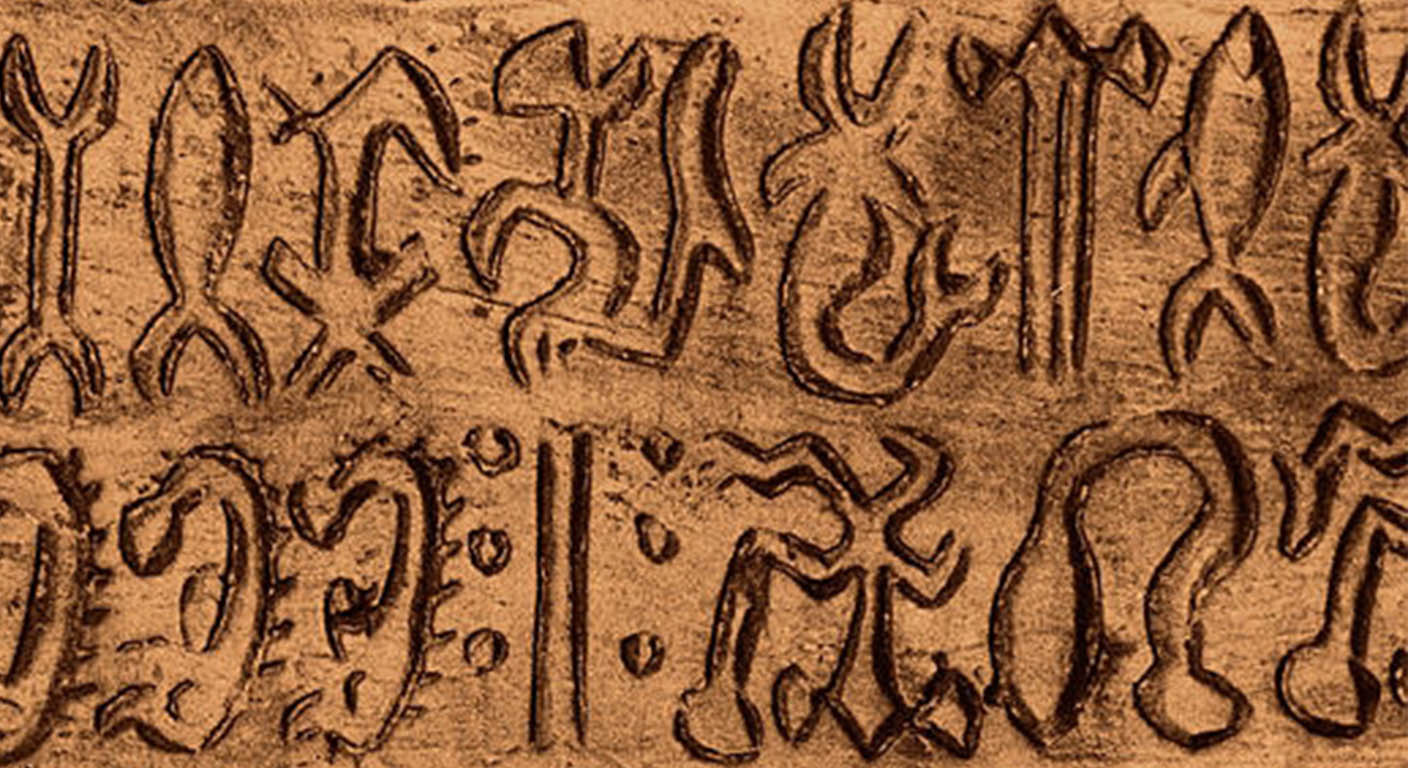
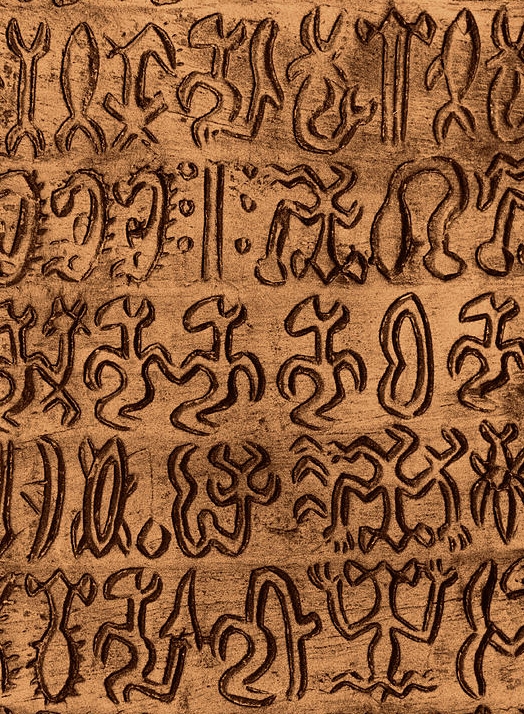
Some written languages are so unusual that we still don’t know what they mean. Rongorongo is a system of glyphs found on wooden tablets on Easter Island (Rapa Nui). Despite the best efforts of cryptographers and linguists, it remains one of the few undeciphered writing systems in the world.
What makes Rongorongo visually stunning is its “reverse boustrophedon” writing style. You read a line from left to right, then turn the tablet 180 degrees to read the next line. Since the knowledge of how to read the glyphs was lost in the 19th century, historians still debate whether it is a true phonetic writing system, or a form of proto-writing used as a memory aid for reciting myths and genealogies.
Bringing the world together
Language is a fascinating mirror of human culture and history. While these extreme examples show the diversity of human communication, most businesses today only need to deal with the most popular languages to reach a global audience.
If you are running a website, you don’t need to learn these challenging languages. You just need a reliable way to speak to your customers in their native tongue. This is where Translate.js comes in. With just one line of code, you can automatically add a language switcher to your site. It is SEO friendly, automatically updates hreflangs and canonical tags, and gives you the ability to edit translations later. You get the best of both worlds – speed and control.
Language barriers should never stop your business growth.
Make your website multilingual
Break language barriers and connect with audiences worldwide. Expand your reach, grow your business, and go global today.
No credit card required