
When we travel, we leave behind our comfort zones, routines, and familiar surroundings. We enter a state of heightened alertness. Every sign we read, every menu we try to understand, and every street name we attempt to pronounce becomes a task for the brain.
But we still think in our native language.
Tourists usually don’t have much time to practice unfamiliar local languages, so they tend to search for attractions in their own language. Let’s look at some examples of situations that can occur.
First is accommodation, often looking for good deals or extras like breakfast. Then comes food, especially local or well-rated spots.
Culture is another priority, with searches focused on museums and how to skip lines or buy tickets online.
Many also look for attractions or tours, including free viewpoints or pricing for activities.
Practical needs come up too, like finding nearby pharmacies or doctors. In urgent situations, searches shift to essentials like police stations or help after losing documents.
The Psychology of the Native Language
1. The Language of Truth and Trust
Psychologically, our native language is linked to our earliest memories, emotions, and sense of safety. When a traveler sees information in their own language, he instantly feels more safe and comfortable.
Research shows that people perceive information in their native language as more “true” and “honest” than information in a second language. In a foreign country, where a traveler might feel vulnerable to being overcharged or misunderstood, the native language acts as a psychological shield. It is the language of trust.
2. Decision Fatigue and the “Path of Least Resistance”
Traveling is a series of constant decisions.
“Which train?”
“How much tip?”
“Is this neighborhood safe?”
This leads todecision fatigue. When the brain is tired, it stops trying to be a “polyglot” and looks for the path of least resistance. Reading English (if it’s your second language) requires active translation in the prefrontal cortex. Reading your native language is automatic.
A traveler uses their own language because they’re too tired to deal with English (or other local language) after a long day of sightseeing.
3. The Emotional filter
We feel emotions more strongly in our native language. Marketing studies have shown that luxury goods, romantic dinners, and family vacations are sold through emotion, not logic.
If your website tells a story in English, a French traveler understands thefacts. If you tell that same story in French, they feel theexperience. They can “smell” the coffee and “feel” the sheets. English is the language of business; the native language is the language of the heart.
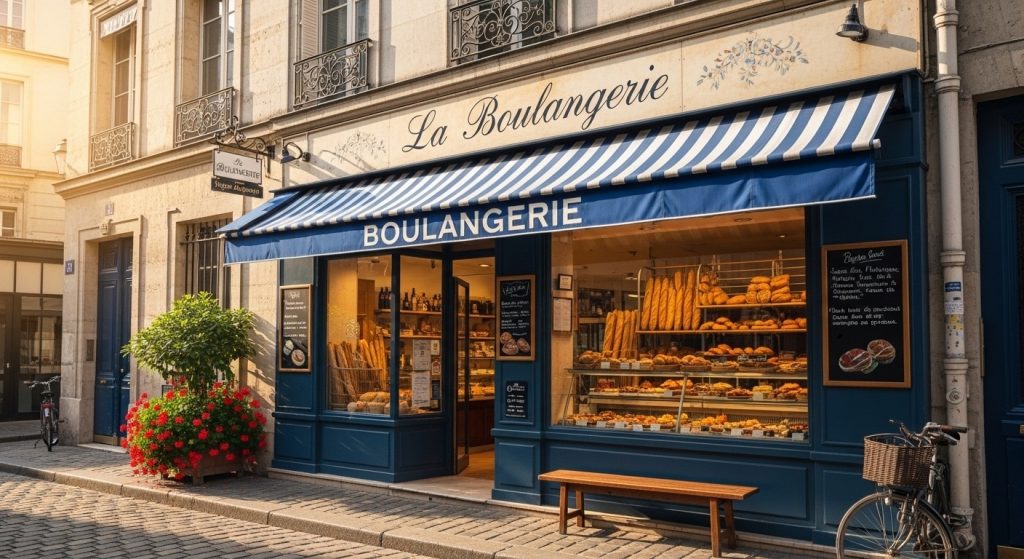
The “Guest” vs. The “Foreigner”
When a website is only in English, the traveler feels like aforeigner. They are reminded that they are in a place where they don’t belong, and they must adapt.
When a website is in their language, they feel like aguest. They feel that the host has gone out of their way to welcome them. This simple psychological shift is the difference between a user who bounces and a user who books.
How Translate.js builds that bridge
You don’t need a team of psychologists to fix this. You just need to show up in the search results where your customers are already looking.
Translate.jshandles the heavy lifting:
- Automated SEO:We translate your Titles and Meta Descriptions so you appear in those native searches.
- Emotional Connection:Your content is instantly available in their language, building that crucial trust.
- No Friction:1 line of code to install, and your site is ready to welcome the world.
Don’t force your guests to work for your information. Speak their language, and they will feel at home on your website. By taking the simple action of adding just1 line of code, you can make your entire website instantly multilingual and convenient for every tourist. This fast adjustment will significantly increase your amount of visitors and customers, as you finally start appearing in the searches of people who are ready to book, but simply prefer the comfort of their own language.
Make your website multilingual
Break language barriers and connect with audiences worldwide. Expand your reach, grow your business, and go global today.
No credit card required